Twenty years at the end of the assembly line taught him the one thing Hollywood cannot manufacture: how a story actually works. Now he is walking away from the machine to build the next one himself.
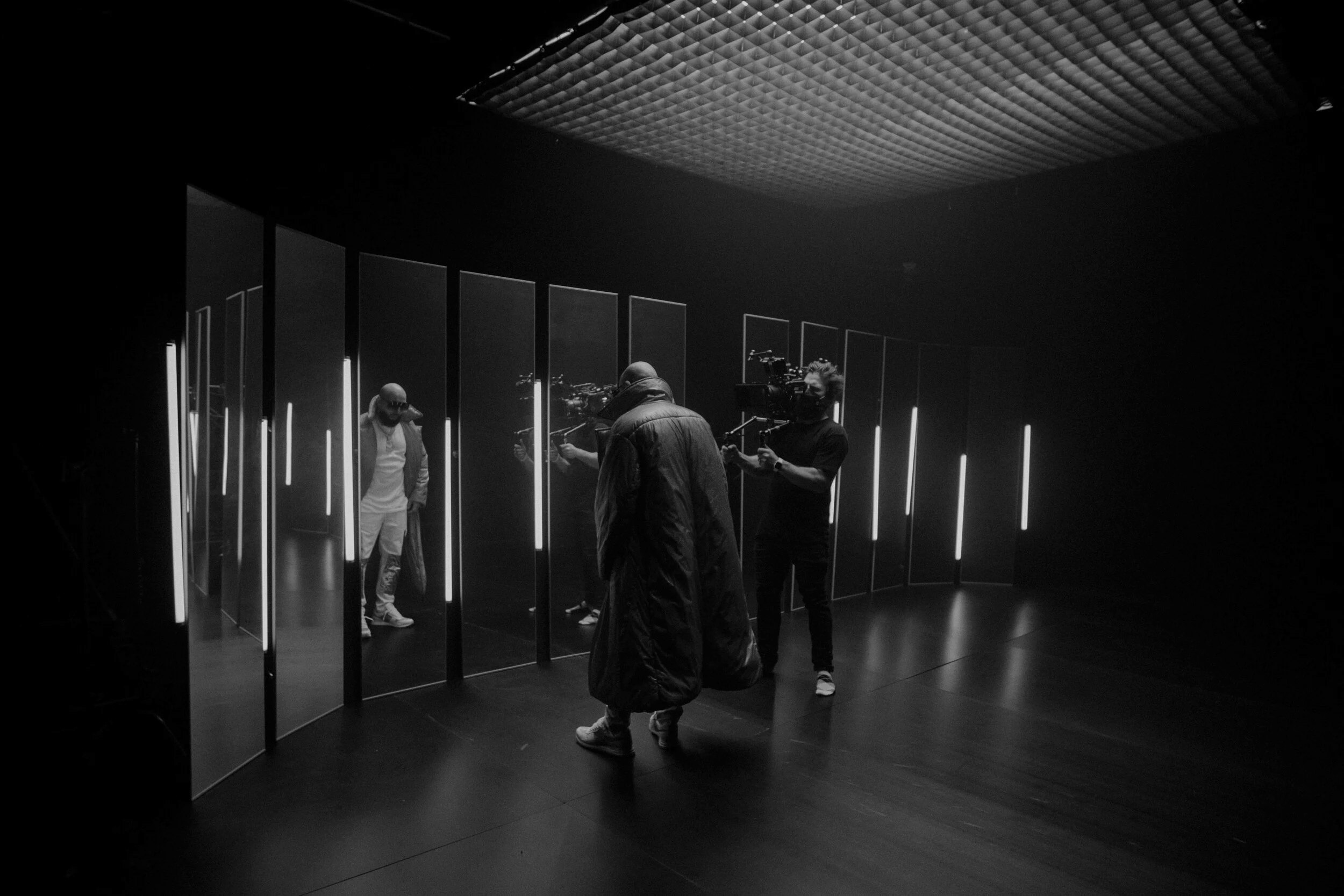
He never went to college. He barely finished high school. He walked into an edit bay knowing how to build a mood and nothing about how to build a story, and inside a year he had overtaken all twelve editors in the building. Everything after that was earned in the dark, eight in the morning to midnight, ten thousand hours deep, until the formula for a number one hit was something he could feel in his hands.
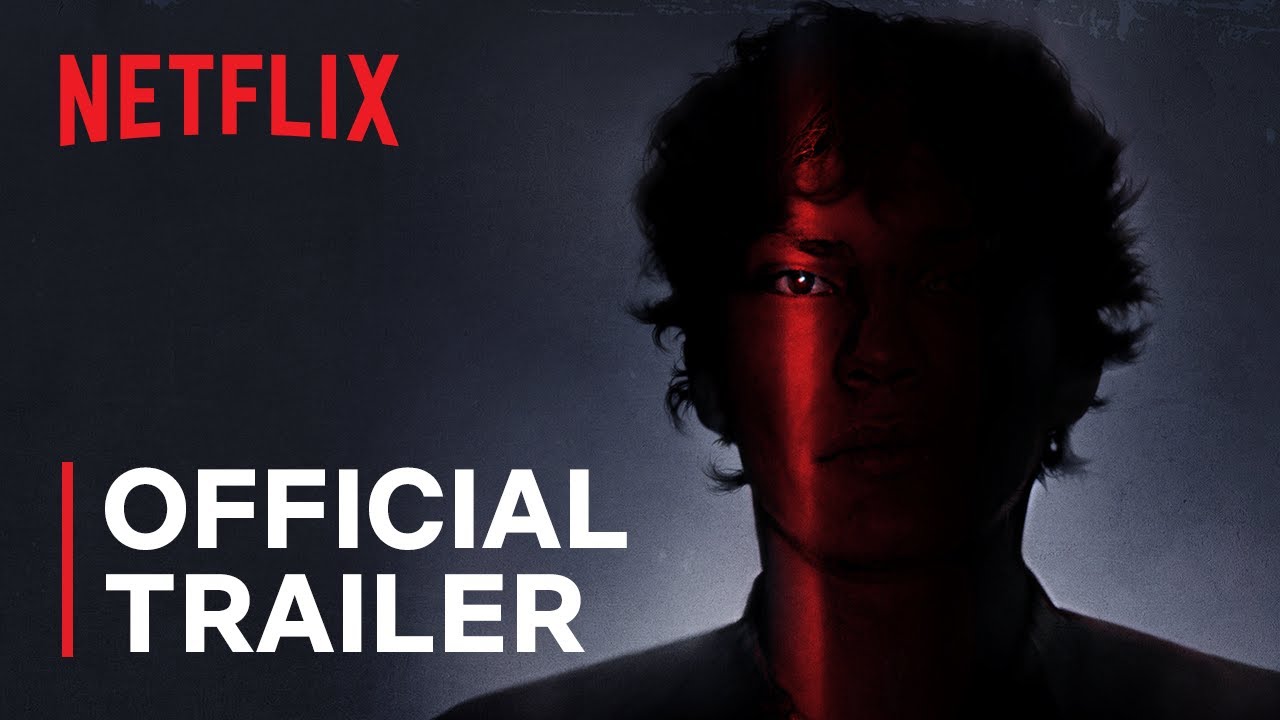
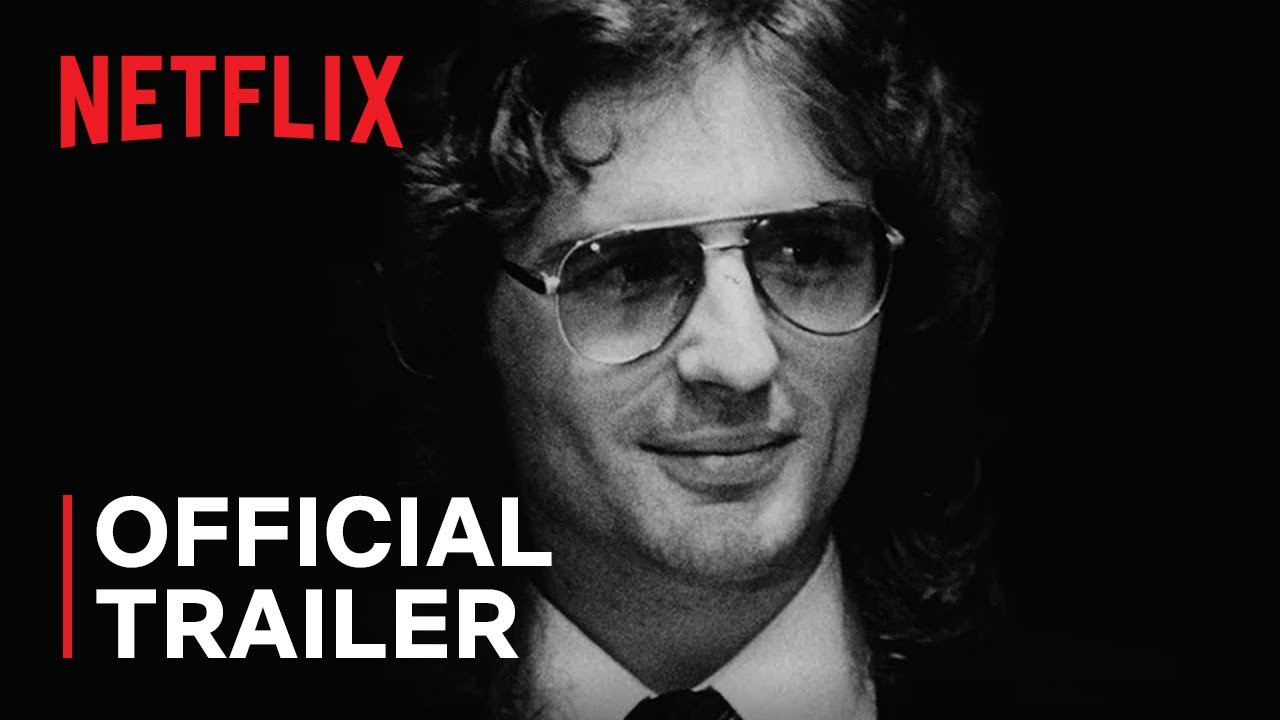
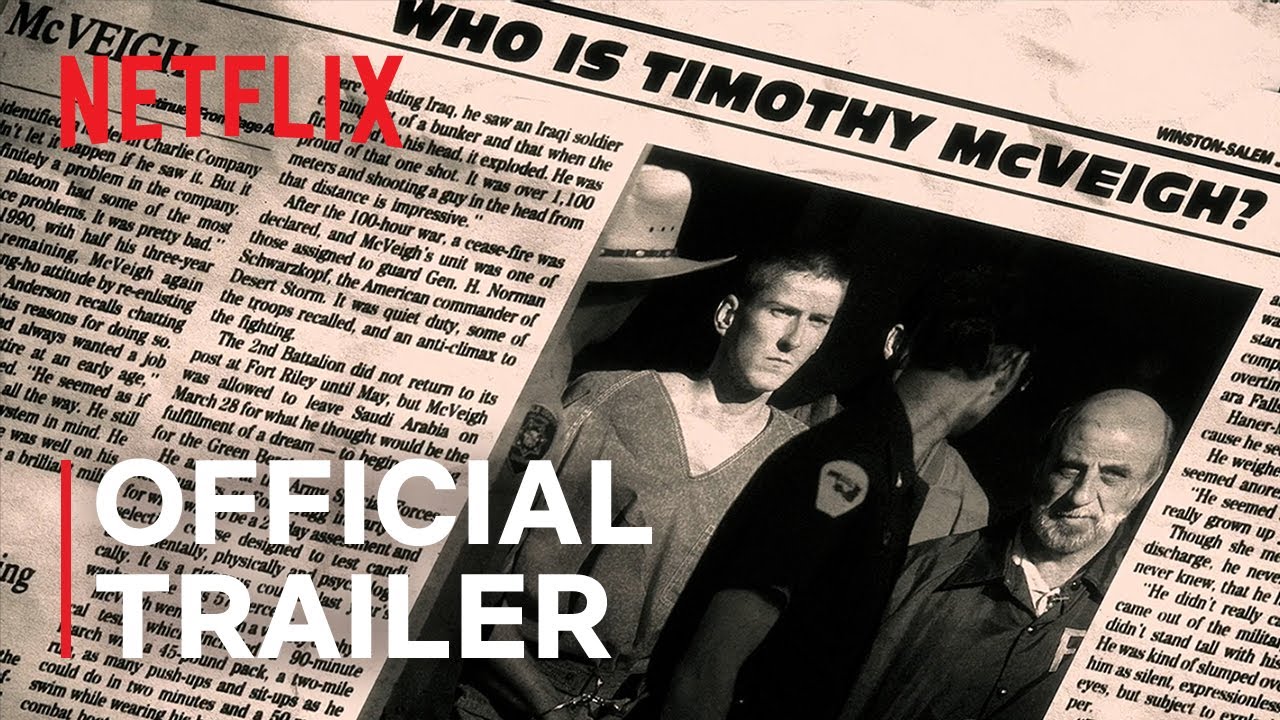
The proof is on the shelf. He co-directed and cut Night Stalker: The Hunt for a Serial Killer with Tiller Russell, a Netflix phenomenon on the Ramirez case. He was lead editor and co-executive producer on Waco: American Apocalypse. He cut the NYPD corruption doc The Seven Five, directed the Netflix series Westside, and the Oklahoma City Bombing: American Terror documentary he edited earned a News and Documentary Emmy nomination he did not even know was coming.


He has done this before. Three times he has stood at the exact moment an industry began to die, and three times he read it early and moved. That instinct is the purpose. He is not chasing a trend. He is doing the only thing he has ever done.
At fifteen, in the mid nineties, he was on the radio. A DJ told him, "You are going to be the last DJ. They are going to wheel in these computers and take over." He watched the last breath of radio. Then he built websites, and watched that industry die too. So he went to Los Angeles.
He arrived as one era of film was peaking and rode it all the way up, from 2005 to the top of the 2010s. Now he is standing at the edge of that peak, watching the eyes move again, and doing what he always does. Reading it first.
The bet is simple and it is enormous. Take twenty years of story instinct and pour it into the most powerful tools ever handed to a filmmaker, and become one of the best AI filmmakers who has ever lived. Not a hobby. A two decade run, starting now.
Here is the edge nobody talks about. The people making noise in AI film are, in his words, failed filmmakers who never learned to tell a story. They can generate a shot. They cannot build a character, hold tension, or land an ending. He can. And almost everyone with his pedigree is too proud or too afraid to touch the tools.
So he is spending real money to be early, fifteen hundred to two thousand dollars a day on renders across seven or eight of the best programs on the market, funneling decades of taste into the model. After Labor Day he releases a scripted AI film whose final ten minutes, he says, have never been done before on this level.
The room is turning. James Cameron joined the board of Stability AI. George Lucas calls AI "the future" and says resisting it is like insisting the horse and buggy is where it's at. Scorsese calls it "creatively freeing." Ben Affleck drew the only line that matters: AI is a craftsman, and "art is knowing when to stop, that is taste." Taste is exactly what James has spent twenty years building, and it is the one thing the tools cannot generate.
Two roads sit in front of him, and he already sees them both clearly. The strategy is not picking one blindly. It is understanding that one of them can feed the other.
Our read: lead with Road B and let Road A come to him. The independent work is the audition Hollywood cannot ignore, and it is the asset he owns. Druski proves the shape of it. He pitched Netflix and Amazon early, heard no, funded it himself, and built a company. "Us doing it on our own kind of proved that we can do this by ourselves." The layup is still there the whole time. It just arrives on his terms.
Every part of the old model is shrinking at once, and every part of the new one is compounding. This is not optimism. It is the data.
Meanwhile the audience already moved. In 2025 streaming passed broadcast and cable combined for the first time, and by December held 47.5% of all TV viewing. YouTube is the single most watched thing on the television screen, near 14% of everything. The average YouTube account now out watches the average Netflix account by daily minutes. Netflix's own co-CEO went from calling YouTube "a farm league" to signing its stars.
The money followed the eyes. YouTube has paid creators over one hundred billion dollars in four years. Patreon has paid out more than ten billion, and over two billion a year now. The rails to earn at studio scale, with no studio, exist.
The platform bosses are saying the quiet part out loud. Success is no longer a channel or a following. It is the individual piece of content, distributed everywhere at once. One great film becomes a thousand clips, each one finding its own audience. That is the model James is built for, because he makes the one thing that survives every algorithm: a story worth finishing.
Told no by Netflix and Amazon, self funded his own studio, 4Lifers, and built past 20 million followers and the 2026 TIME100. Character driven, made on his own terms.
Most subscribed on YouTube, a business valued at $5.2B. His own playbook: the metric is the individual video's performance, not the subscriber count. A results based company.
An established creative who went all in on AI shorts (Borrowing Time, Battalion), then co-founded Promise, an AI studio backed by Peter Chernin, a16z and Google. The path from artist to founder.
A fifteen year production veteran turned AI director. Over 300M views, viral AI ads for Popeyes and a Kalshi spot that aired during the 2025 NBA Finals. Skill plus tools plus reach.
Not a country. A planet. His whole life he made things for an American living room. The work he is making now is built to cross every border at once, because the grammar he mastered does not need translation.
The largest, hungriest audiences for this content are mobile first and overseas, in the dense population centers where a phone is the only screen that matters. The Asia Pacific market for AI video tools alone is growing near 46% a year. A character driven story, made once, can land in any language, anywhere, on the device already in someone's hand.
Self made, one hundred percent. No mentors handed him anything, because they were intimidated by him. What he has, he built.
Eight in the morning to midnight, for years, in a dark room, learning a craft nobody taught him. He never saw daylight, and he never stopped.
He could go start anything. He chooses this because he loves it, and because the tools finally let him make something from start to finish, alone.
His emotional intelligence sits at the maximum, and he knows it. That is what made him a great storyteller, and it is the whole answer to the question everyone asks about AI: can it move you. His reply cuts through the noise. A scripted movie is already artificial. It is actors and sets and manipulation. If the story and the character are real, you can be afraid, you can be intrigued, you can fall in love, you can cry. The tool was never the point. The feeling always was.
Everything you just read came from one conversation. No forms, no questionnaire, no week of back and forth. Qinary listened, researched the industry and the man in real time, and shaped it into a strategy, in under a day.
James, this is version one. Read it like you read a cut. Yes, yes, no, keep that, lose that. Then we lock it, and I will show you what we can build on top of it. You already know how to tell the story. Let's make sure the world gets to see it. See you Wednesday.